
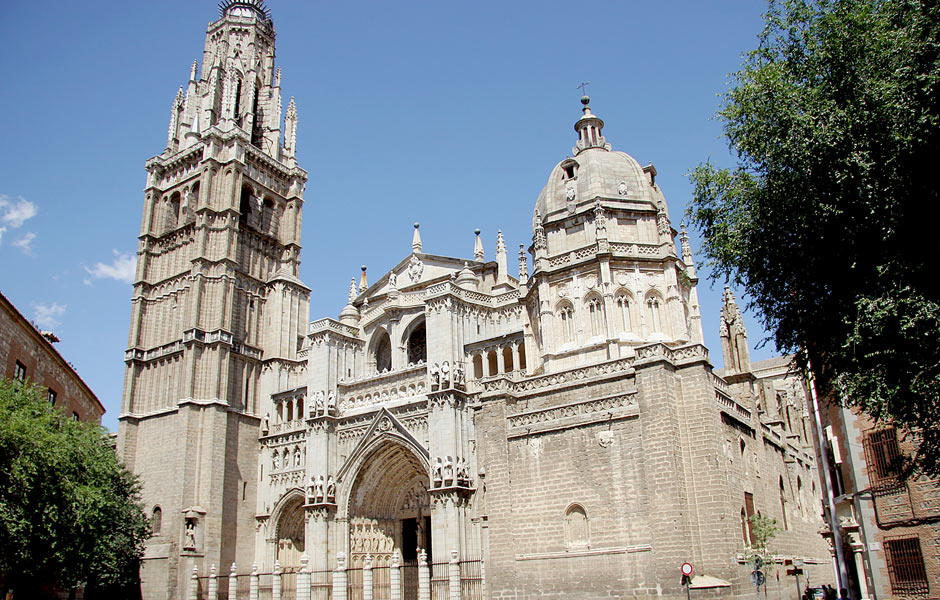
The Cathedral of Saint Mary of Toledo, also called Primate Cathedral of Toledo, Spain is one of the three 13th century High Gothic cathedrals in Spain and is considered to be the magnum opus of the Gothic style in Spain.
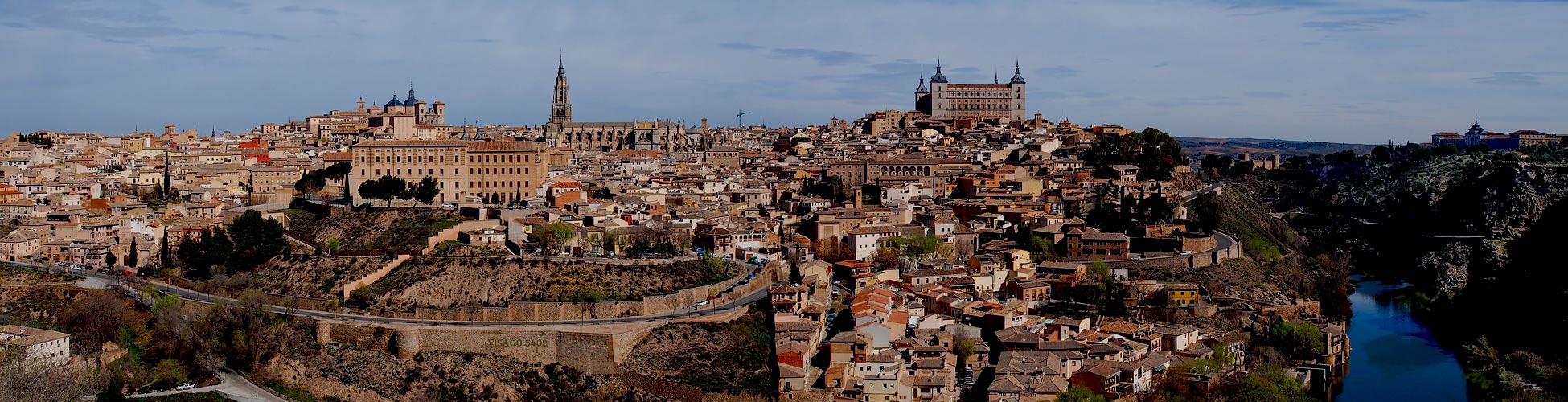
Toledo Tourist Attractions
Travel Information
Tourist Attractions in Toledo
Main tourist attractions of Toledo city: top tourist places to visit, historic sites, squares and Greco places, visitor highlights, advices for sightseeing, pictures and popular photos, things to do, details of all Toledo's sights and landmarks. Your travel guide.
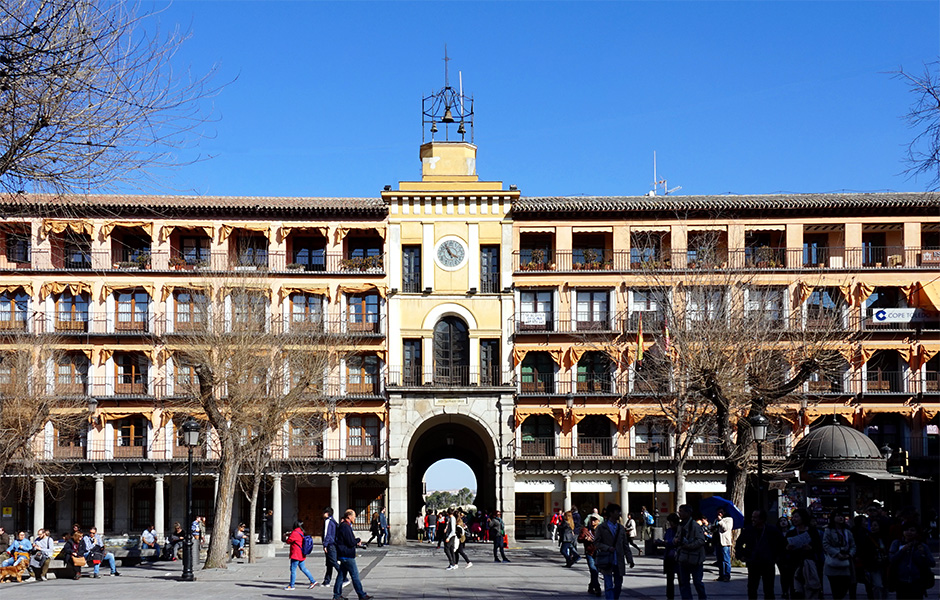
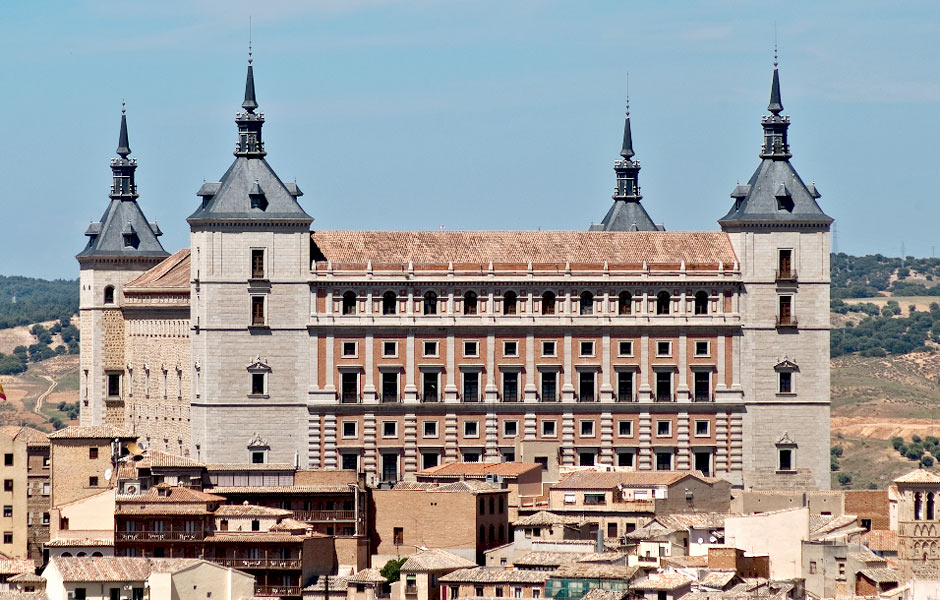
The Alcazar of Toledo is a stone fortification located in the highest part of Toledo. Once used as a Roman palace in the 3rd century, it was restored in the 11th and 13th centuries and renovated in 1535.
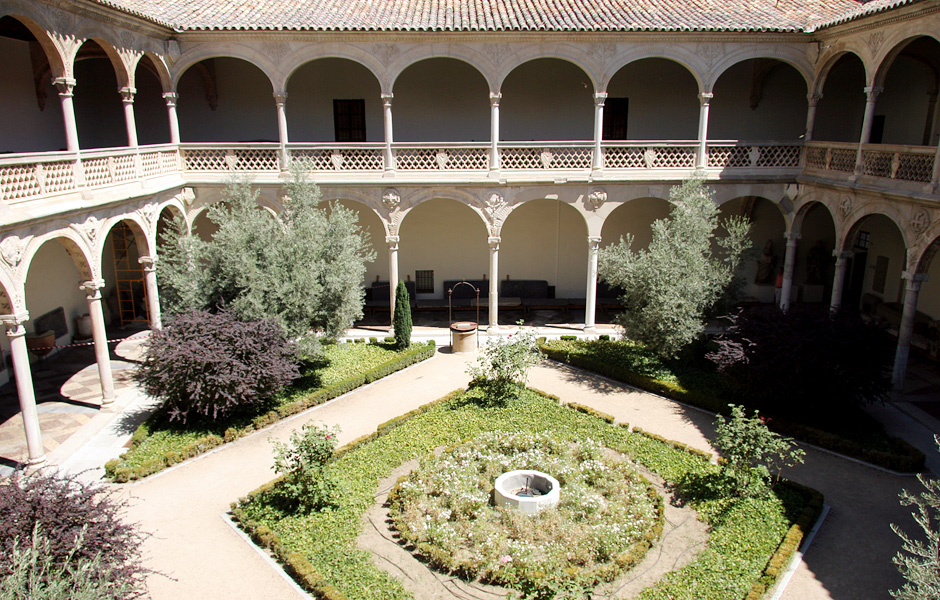
This old hospital, now turned into a museum with temporary exhibitions, was built in XVI century. This museum displays a collection of paintings by El Greco, Goya, Ribera, Lucas Jordán, Carducho and other artists from Toledo along with valuable objects like ivory crucifix.
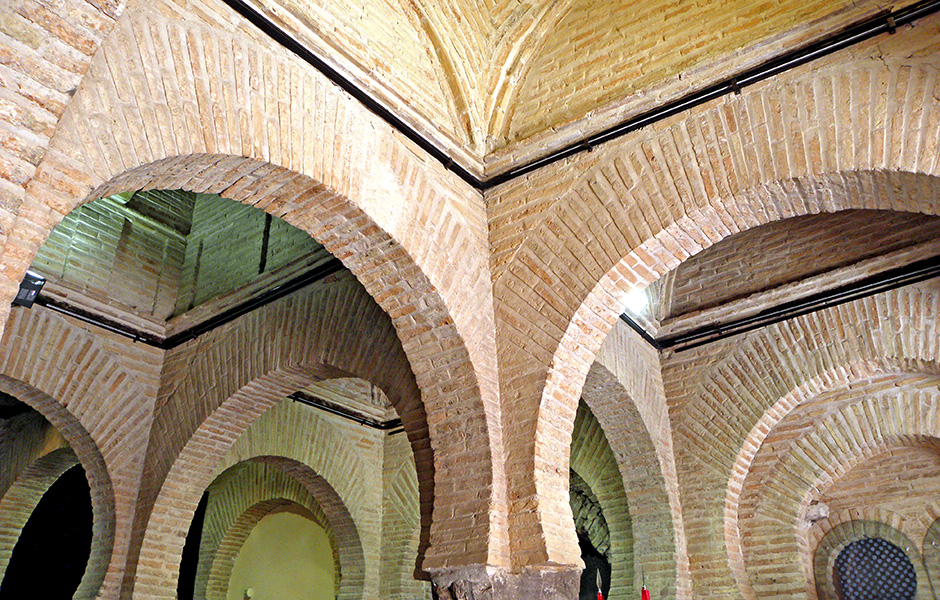
11th century building that was built on Roman foundations to reproduce a similar outline to that of El Cristo de la Luz, which was probably used as the model. It currently houses the Centre for the Promotion of Craftwork.
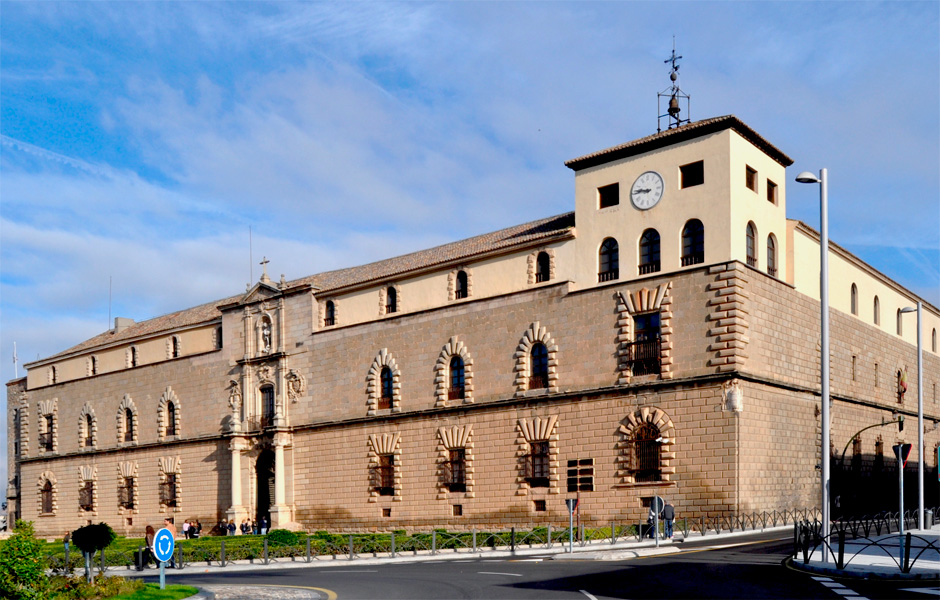
This monument is also called the "Hospital de Afuera", which was built by cardinal Tavera in 1541. Its façade depicts a Renaissance style and inside we can see two perfectly symmetrical patios with Dorian columns and Ionian arches.
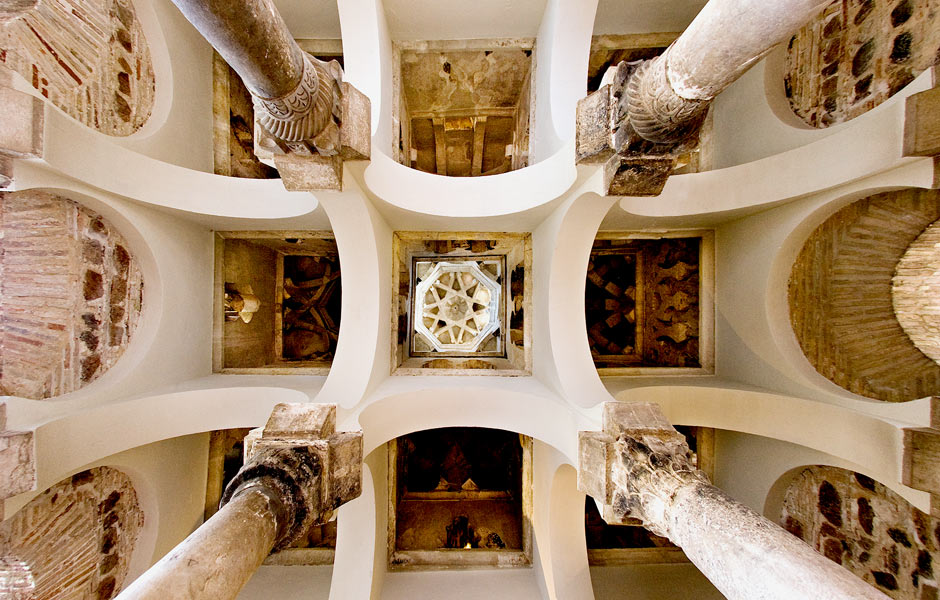
The Mosque of Christ of the Light or Mezquita de Cristo de la Luz is the only remaining mosque in Toledo of the ten which existed in the city during Moorish times. It was then known as Bab-al-Mardum.
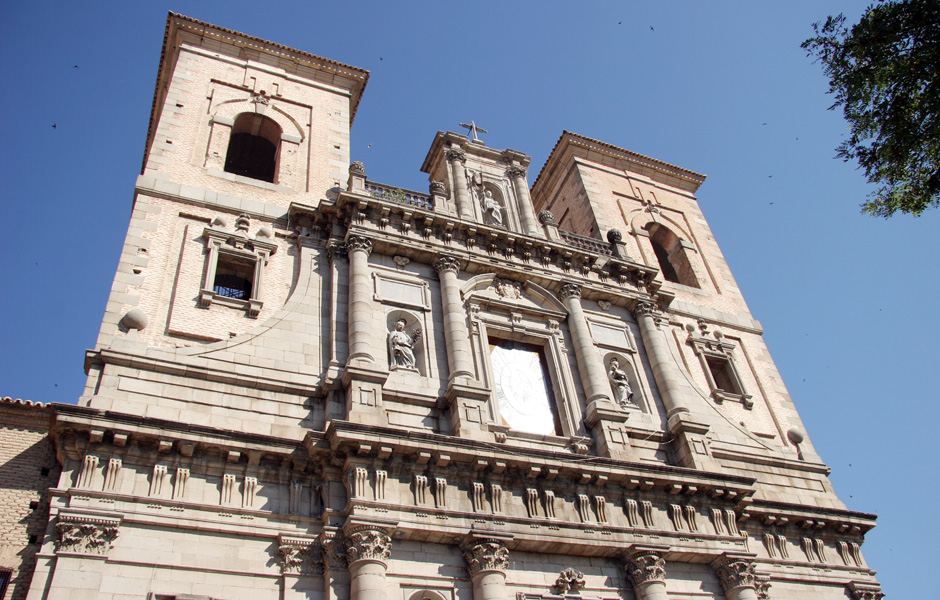
The Iglesia de San Idelfonso is close to the Palacio de Lorenzana. It's also known as the Jesuits' church because it was built by this religious order and as San Juan Bautista because was the parish church of St. John the Baptist.
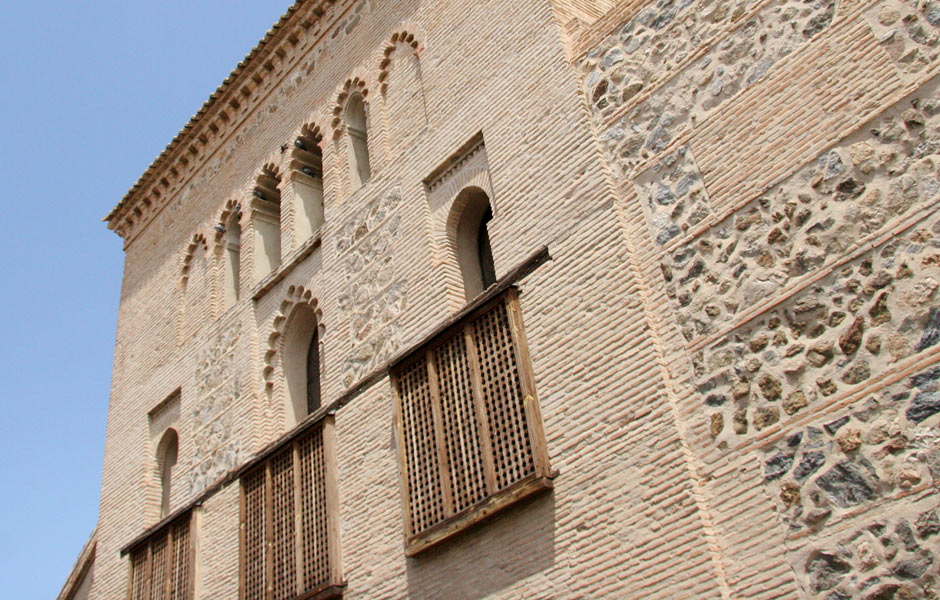
The Synagogue of El Transito is the oldest synagogue in Toledo, founded by Samuel Halevi in 1356. It features Nasrid-style polychrome stucco-work, Hebrew inscriptions of the names of God and Mudéjar panelled ceiling.
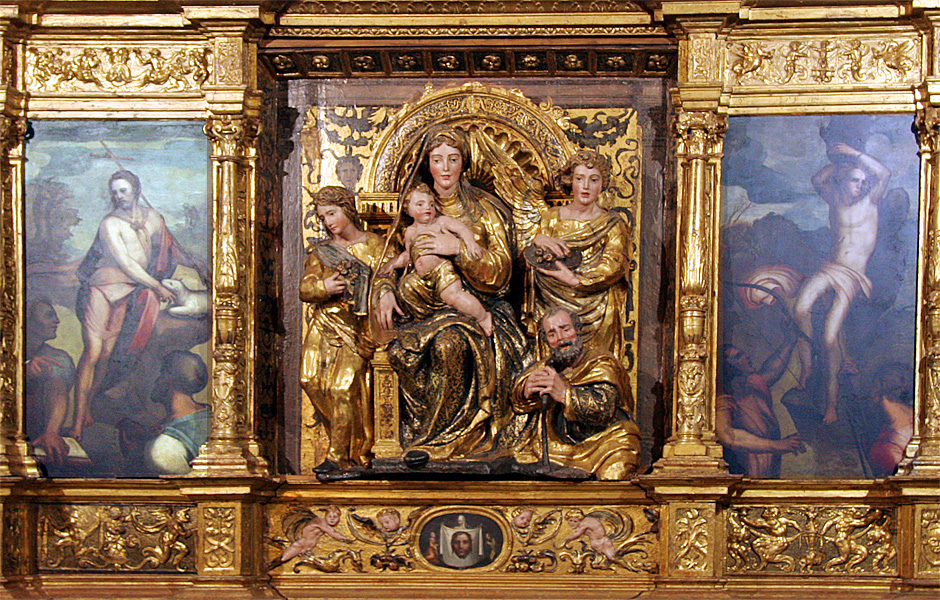
This convent belonging to a congregation of Augustinian Nuns was probably built between 1256 and 1259. It is located in the Historic District close to the Town Hall and is one of the Augustinian order's oldest convents in all of Spain.
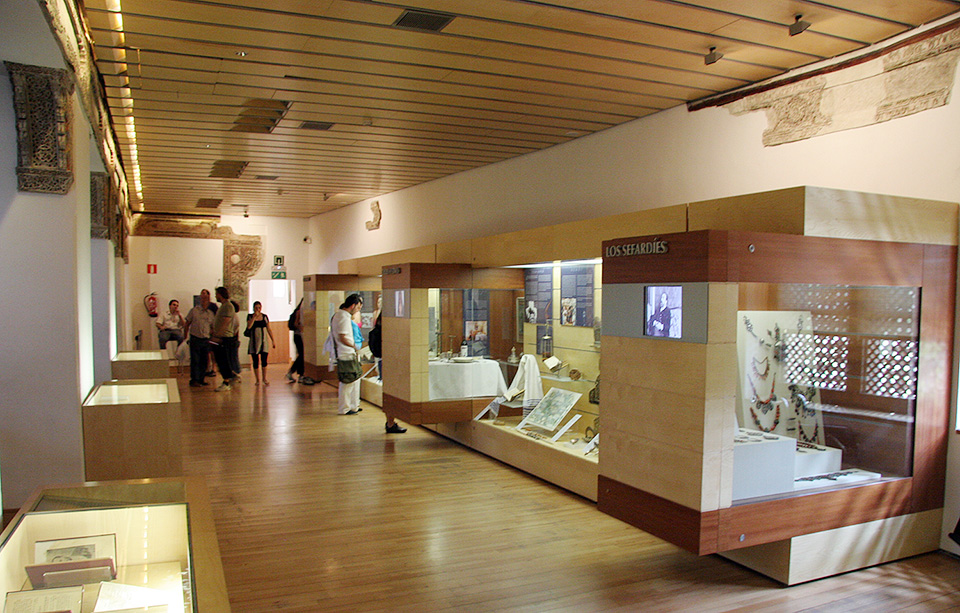
The Sephardi Museum is located in the Transito Synagogue or Synagogue of Samuel ha - Levi, considered the most beautiful preserved medieval synagogue in the world. The permanent exhibition aims to make known the history of the Jews in Spain.
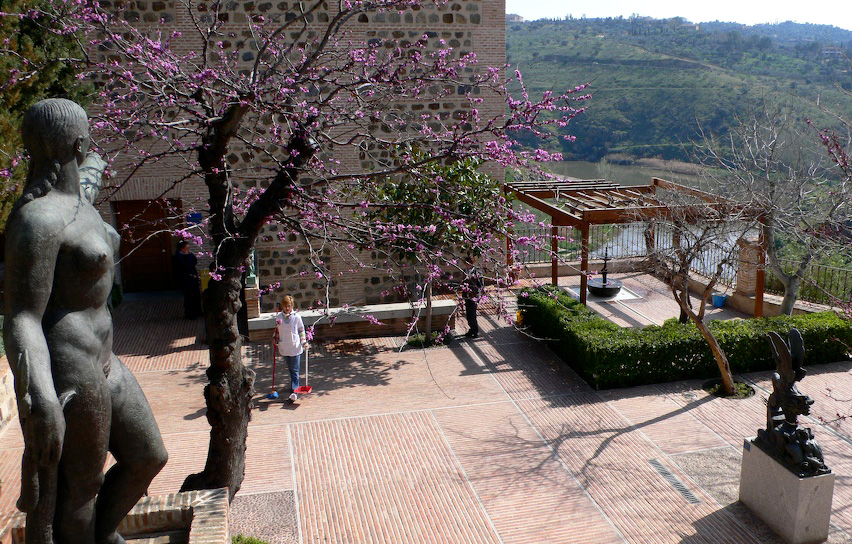
The Victorio Macho Museum is located on Tarpeya Rock, a curious promontory over the Tajo, that was chosen by the sculptor as the place to build his house and workshop in 1953. Today this beautiful location houses the headquarters of the Toledo Royal Foundation.
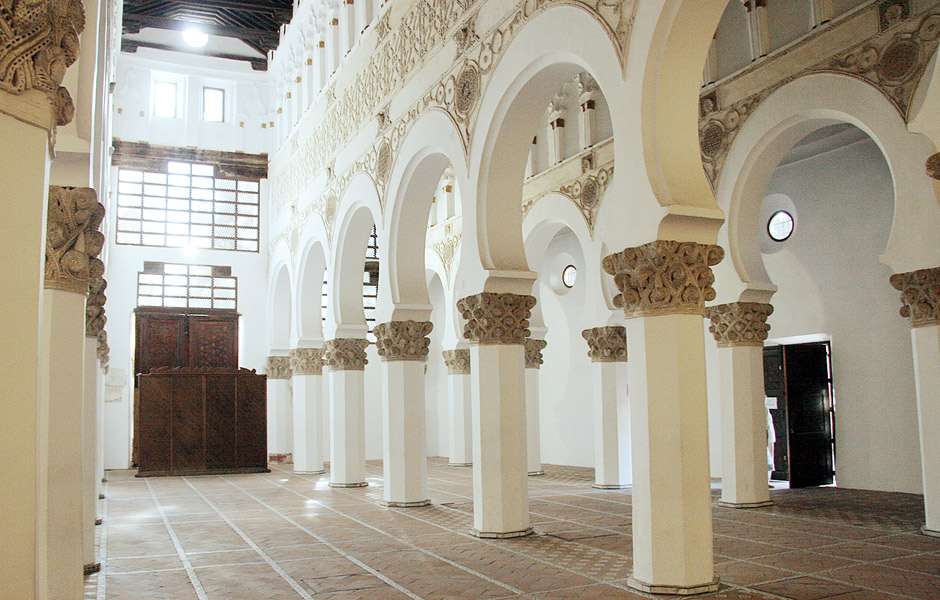
The synagogue of Santa Maria la Blanca is a religious building erected in the city of Toledo, Spain in 1180. It was constructed in Christian territory, the Kingdom of Castile, by Islamic constructors, for Jewish use and owers.
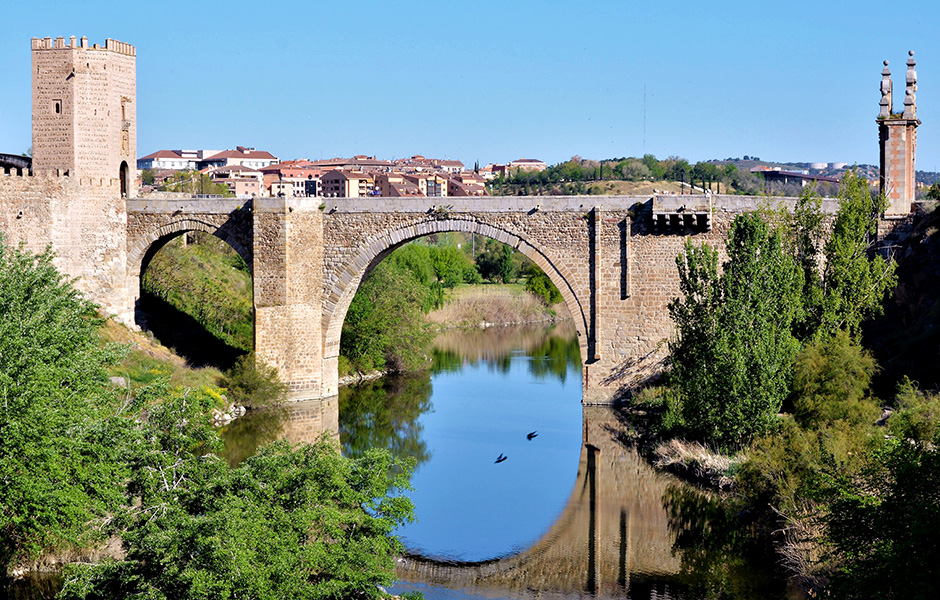
The Alcantara bridge was first constructed in 866 AD, close to the ruins of a Roman bridge. The Arab bridge was in turn washed away, except for the piers and abutments, in 1257 and reconstructed by Alfonso X. There were further restorations in the 15th and 16th Centuries.
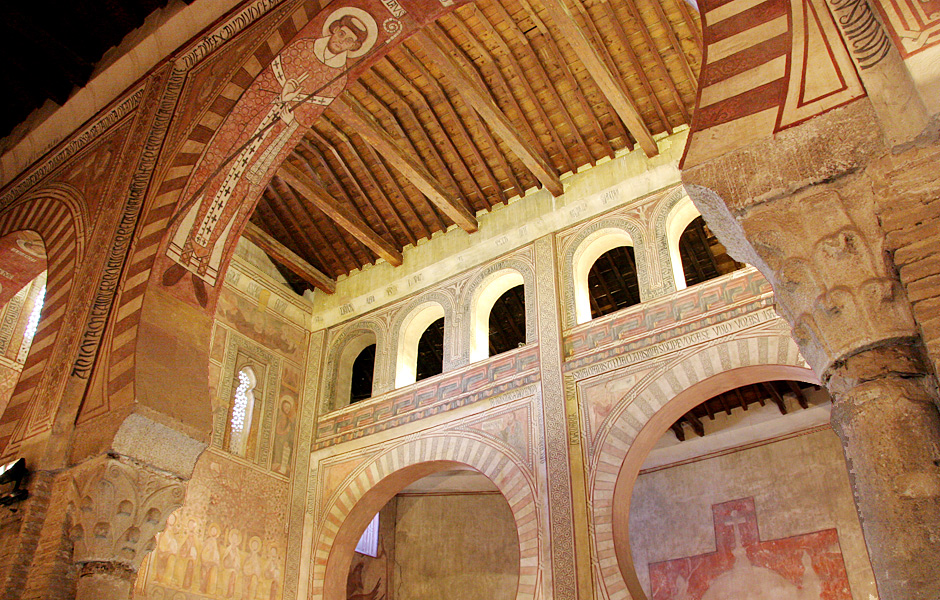
This temple has an overall Mudejar style, even though the main chapel has a plateresque style after the modifications that were carried out during the 16th century. The Museum of the Visigoth Councils is currently hosted in this building.
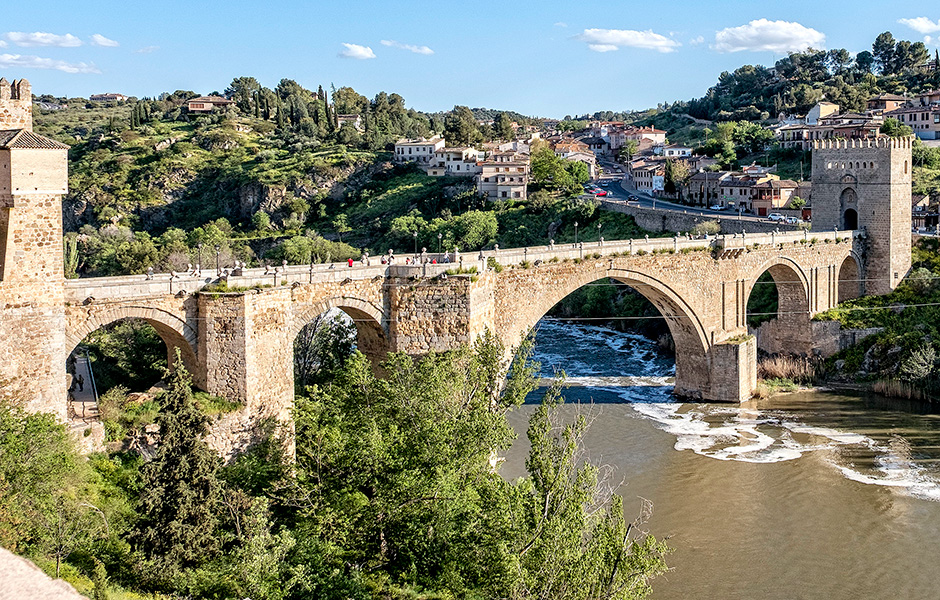
The Puente de San Martín is a medieval bridge across the river Tajo in Toledo, Spain. The bridge was constructed in the late 14th century by archbishop Pedro Tenorio to provide access to the old town from the west, complementing the older Puente de Alcantara linking to the east.
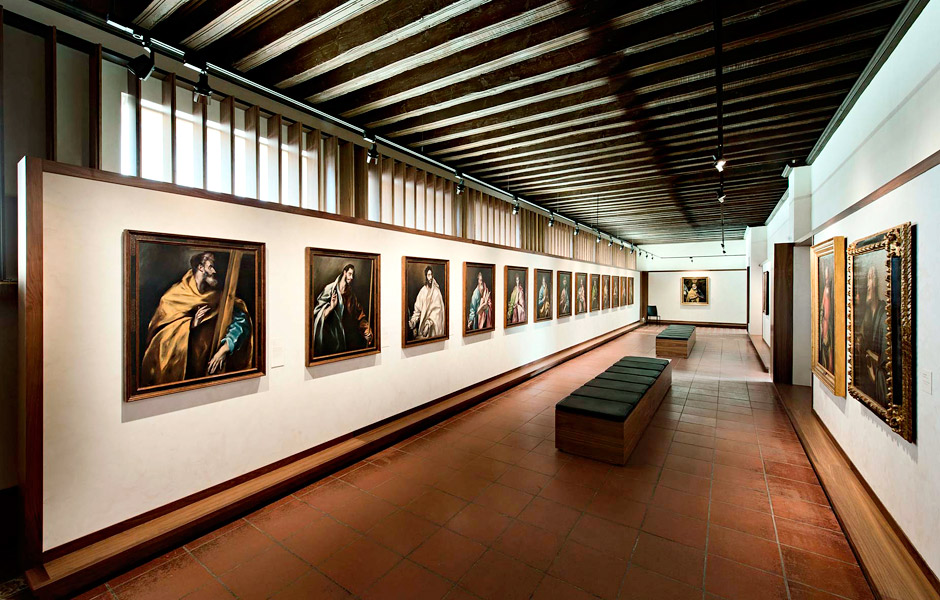
This museum has an extensive collection of paintings by this artist of the Spanish Golden Age as canvases by other 17th-century Spanish painters. Opened in 1911, the museum is located in Toledo's Jewish Quarter. It consists of two buildings.
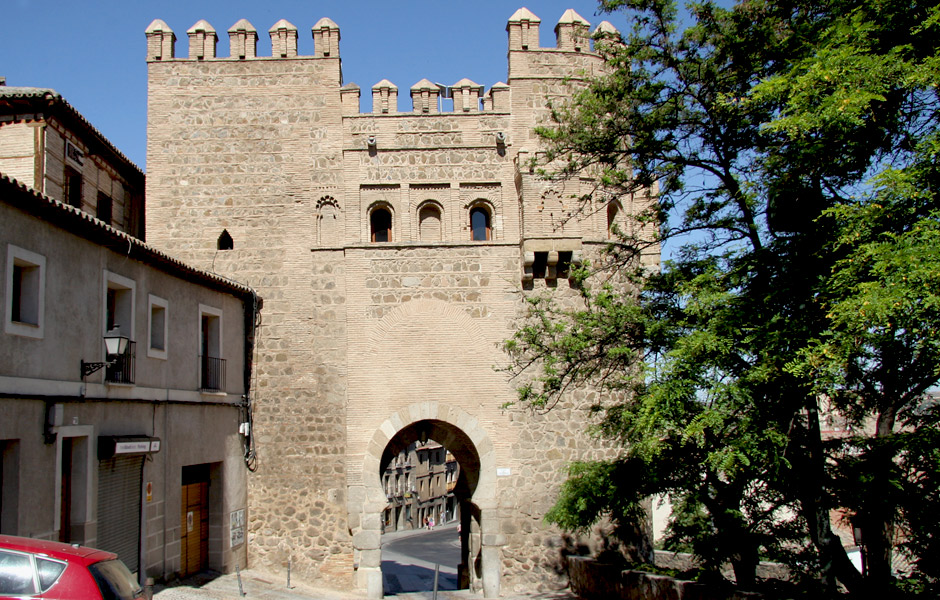
The Gate of El Sol is the principal gateway into the wall city of toledo. It was originally built in the 11th century and the present gate you see today was modified in the 14th century. It is the finest Mudejar style gate in Spain.
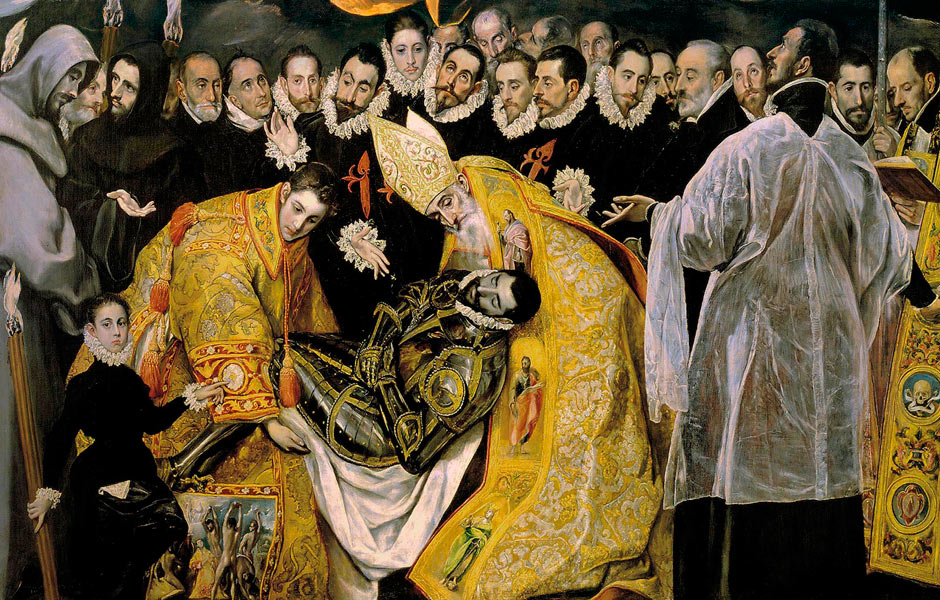
The main attraction of the Santo Tome church is the "The Burial of Lord of Orgaz" painting by El Greco. This painting shows San Esteban and San Agustin after the death of Don Gonzalo Ruiz, Lord of Orgaz, who appeared to bury him.
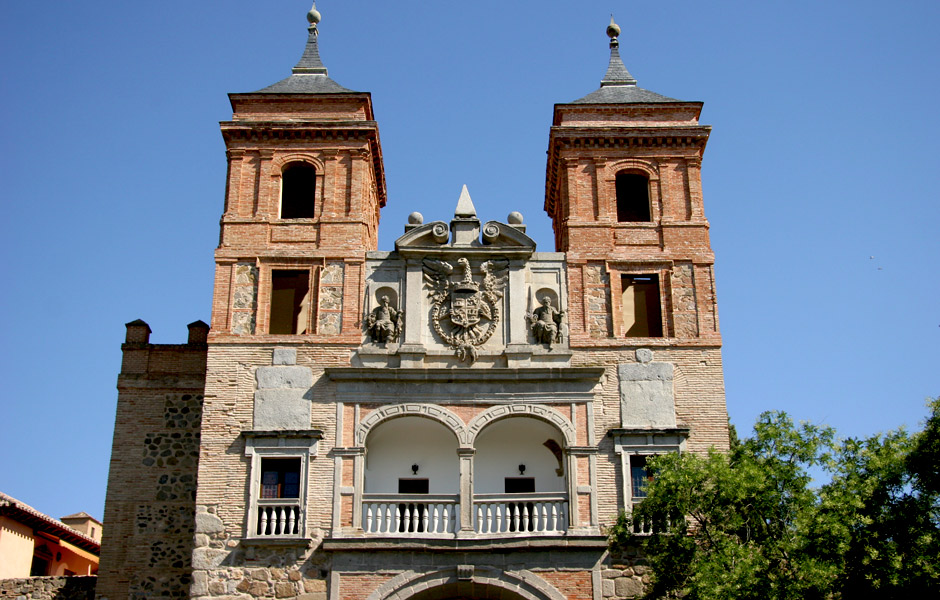
It stands in the walls that run from the Old Bisagra Gate to San Martin Bridge. The gate located at the place where a very large water course runs out of the city during rains, and must therefore date from the earliest times.
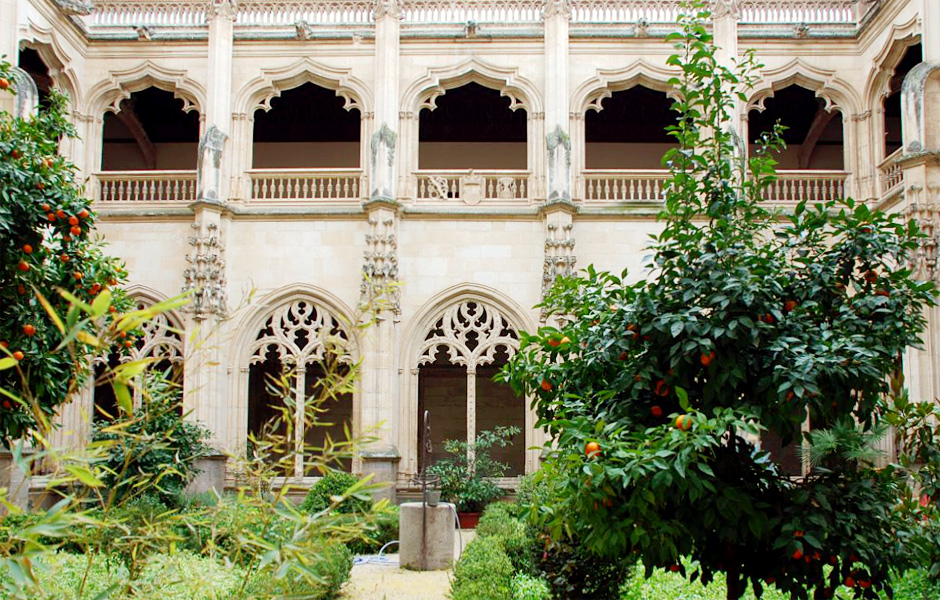
The convent of San Juan de los Reyes was founded in 1476 by Ferdinand and Isabel who intended it as their last resting-place. The surrender of Granada in 1492 was so important that they changed their plans, and the Capilla Real in Granada became their mausoleum.
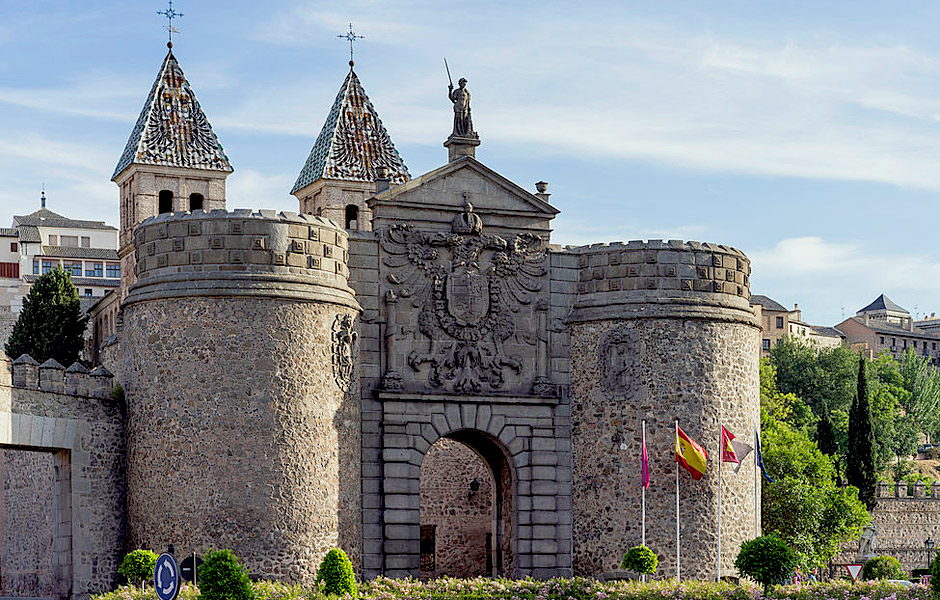
On arriving into the old city of Toledo from the north, one first encounters this imposing gate with its ornate twin towers and double headed eagle. The Puerta Nueva de Bisagra was built in the 16th century as Toledo's new gate.
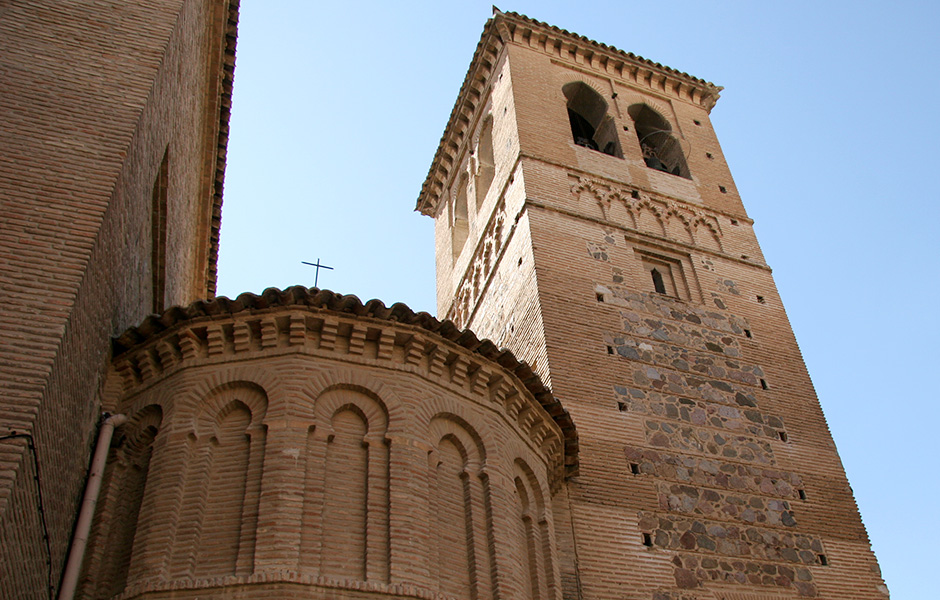
El Antiguo or Ancient is an appropriate name for this Cistercian convent which is the oldest in Toledo. It was founded by Alfonso VI in 1085 when he conquered the city. It was closed to the public until 1982 when part of it was opened to visitors and the museum was set up.

Toledo attractions
Useful
About
This is a website for tourism in Toledo where choice hotel rooms at great rates, make reservations, compare hotels and rates for accommodations (cheap, luxury, boutique and spa) and find the lowest hotel rates from luxury to budget accommodations. Toledo-travelGuide has the best deals and discounts for hotel rooms. Accomodations for business, leisure, family travel, city breaks, luxury holidays and tourism. Toledo-travelGuide is a tourism guide with articles and information on Toledo, Spain. Your source for news, photos, travel advice for your vacations, hotel rates, deals and more discount packages, and guides including information on popular Toledo accommodation. This site gives you the best tourism content online for your vacation planning.